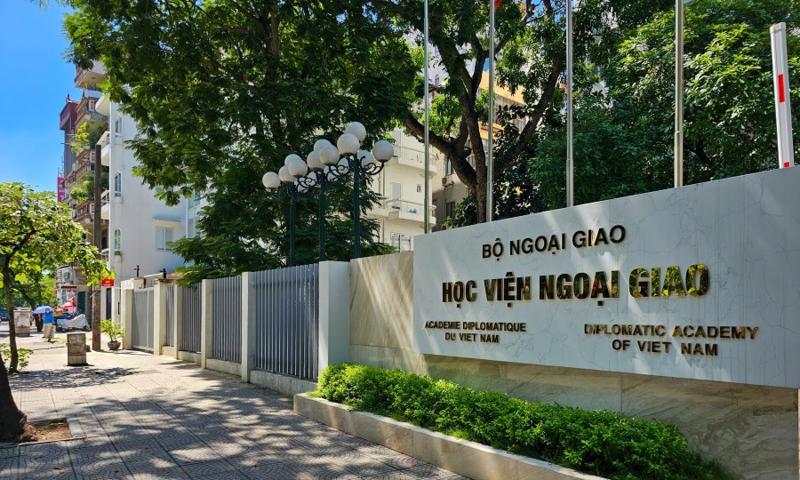
Since the inception of the Mekong–Republic of Korea Cooperation framework, Human Resources Development (HRD) has emerged as a strategic pillar of regional collaboration. In response to rapid global transformations, including technological innovation, climate change, and demographic shifts, this initiative aims to build the capacity of diplomats and foreign service officers from the Mekong subregion (Cambodia, Laos, Myanmar, Thailand and Viet Nam). However, this program focuses exclusively on Cambodia, Laos and Viet Nam due to their shared developmental needs in diplomatic capacity building, strong institutional readiness to absorb and apply training outcomes, and strategic relevance in regional cooperation. The training program is designed to: • Equip diplomats with core competencies to navigate an evolving global diplomatic landscape • Strengthen adaptability, ethical standards, and resilience amid disruptions such as digitalization, automation, and shifting geopolitics • Deliver practical modules that blend traditional diplomatic functions with emerging areas, including artificial intelligence, cybersecurity, green development, and public diplomacy Drawing on Korea’s development experience while leveraging the Mekong region’s unique potential, the program also reflects the national priorities of each participating country: • Viet Nam positions HRD as a strategic breakthrough for national development • Laos emphasizes integration and competitiveness aligned with its 2030 HR strategy • Cambodia aspires to transform into a skills-based, knowledge-driven economy Beyond enhancing professional capacities, the initiative fosters deeper mutual understanding, cross-border cooperation, and the sharing of best practices across governments. By introducing modern training tools and encouraging institutional reform, it creates a foundation for a responsive, effective foreign service. Ultimately, the project contributes to strengthening peaceful dialogue, long-term prosperity, and geopolitical stability in the Mekong region. Through empowered diplomacy and regional solidarity, it supports the vision of a unified community that is better integrated into the global order-and more capable of maintaining secure, stable borders through shared values and strategic collaboration.


